



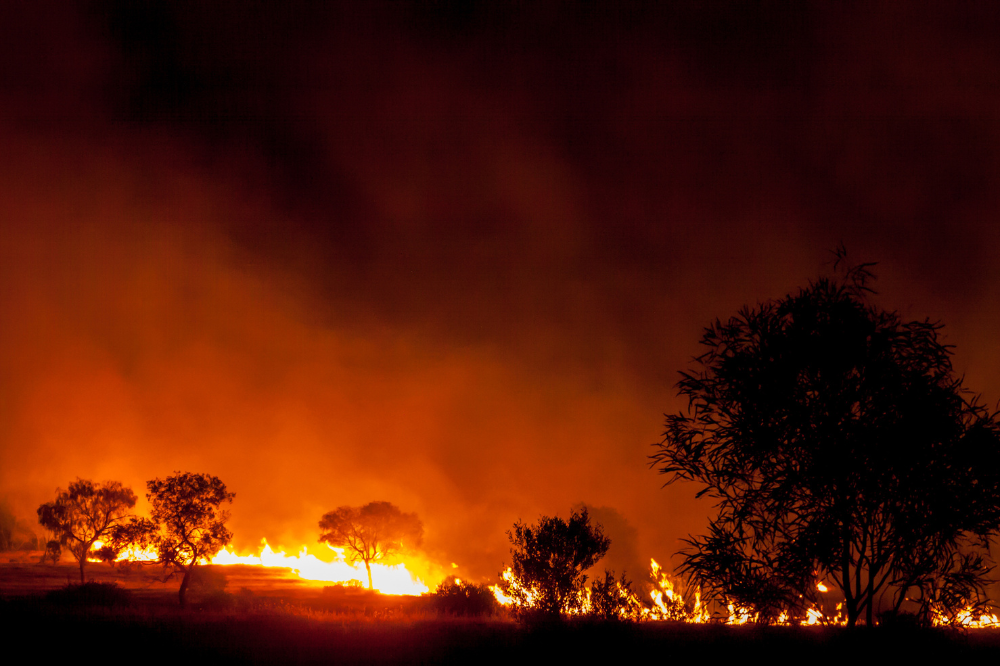
Natural disasters disrupted the education of about 13 million children across six countries over three months, according to Save the Children.
Earthquakes, floods and wildfires disrupted schooling across Nepal, Japan, Colombia, Venezuela, Indonesia and the Philippines between June and early September. Some students remain out of school, while others are learning through temporary, remote or hybrid arrangements.
The scale reflects a wider challenge for education systems. A recent UNICEF analysis of climate-related school disruptions found at least 171 million students had their schooling disrupted by climate hazards in 2025.
Damage extends beyond school closures
In the Philippines, monsoon floods affected nearly seven million students and damaged almost 900 schools, forcing intermittent class suspensions in Manila and several provinces for nearly two weeks. The flooding followed a magnitude 7.8 earthquake on 8 June that also disrupted schooling.
In Venezuela, twin earthquakes on 24 June halted education for more than 21,000 students and disrupted learning for about one million children. Some damaged schools remain unable to reopen, raising concerns about overcrowding as students move to other campuses.
Alondra*, a teacher and mother of nine-year-old Emma*, said the earthquake would not stop her daughter attending school.
“My daughter's education is paramount, of course, and I'm not going to take her out of school, especially not because of this [earthquake],” she said.
In Colombia, earthquake damage disrupted access to education for more than one million children. About 80% have since returned through partial, hybrid or alternating attendance. However, more than 300,000 children are estimated to face heightened protection risks, including recruitment by armed groups.
“Families temporarily settled in spaces that do not have adequate security and protection conditions affecting educational institutions, limiting children's and adolescents' access to safe learning spaces. Emotional effects on children, caregivers and families include fear, stress and uncertainty generated by the emergency,” said Tatiana Betancourt, an education officer at Save the Children Colombia.
Displacement complicates the return to learning
In Nepal, reopening schools has not meant a full return to normal learning. Flash floods in August displaced families and left some children unable to enrol in schools near their temporary homes, even as affected campuses began to reopen.
Save the Children has established temporary learning spaces in Nepal and Colombia. It also created child-friendly spaces after the July earthquake in Kumamoto Prefecture, Japan.
These responses reflect a broader focus on maintaining education during emergencies. UNESCO guidance on education in emergencies highlights learning continuity, teacher support and the recovery of damaged education facilities.
The challenge is also familiar to Australian education systems. The Educator has previously reported on school closures during heightened bushfire risk and how principals have led schools through major crises.
It has also examined student wellbeing after severe flooding in South Australia.
Calls for stronger education systems
Save the Children said governments need education systems that can continue operating through disasters and support students after they return.
The organisation is urging world leaders to pledge at least US$5 billion to the Global Partnership for Education. It said the funding could support education systems reaching about 750 million children across 96 countries by 2030.
Save the Children is also calling for US$600 million for Education Cannot Wait ahead of its November replenishment. The funding request is aimed at helping children continue learning during humanitarian emergencies while supporting the longer-term recovery of schools and education systems.
*Names changed for anonymity.