



As the 2026 VCE exam season gathers pace, thousands of Victorian students are entering the most pressure-packed weeks of their schooling – and for many, that pressure is taking a big toll.
Data from the Victorian Curriculum and Assessment Authority shows mental health conditions were the most common reason for approved special examination arrangements in 2025, accounting for more than four in 10 approvals among the 13,666 students who applied.
Research shows that teachers aren’t immune either.
A recent national survey by the Australian Catholic University shows 86.5% of Victorian school leaders were exposed to offensive behaviour over the past 12 months. The survey also found that 34.7% of Victoria’s school leaders triggered a ‘Red Flag’ (generated when school leaders are at risk of self-harm, occupational health problems or serious impact on their quality of life) email.
It’s a sobering picture, and one that comes into sharp focus at this time of year. When students are anxious and exhausted, the adults around them carry much of that weight, often while quietly managing their own stress.
The quiet work behind exam season
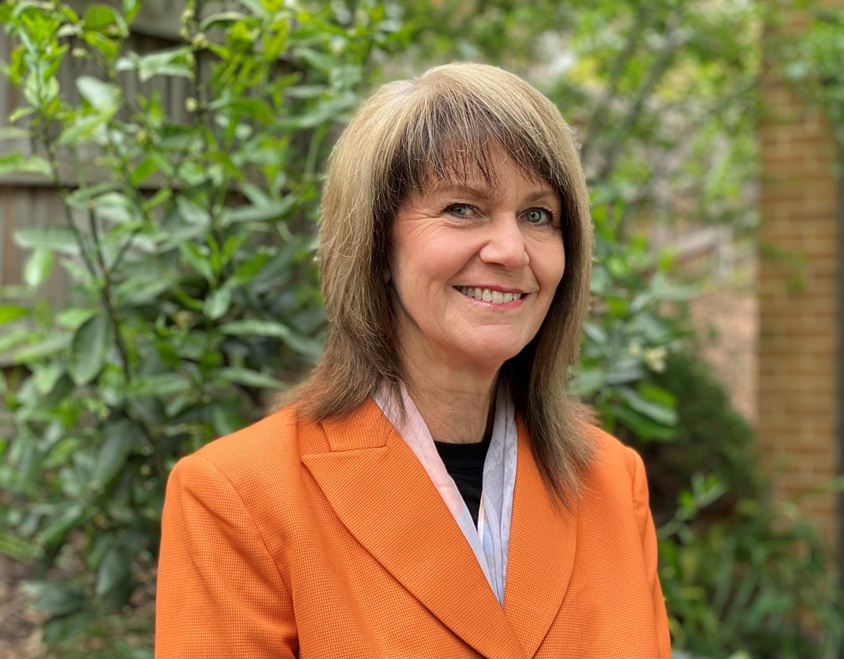
The schools that weather this period best tend to be the ones that put strong, consistent wellbeing support in place for students and staff long before exam season begins. Strathcona Girls Grammar is one of them, and Senior School Psychologist Kerri Rhodes has been at the coalface of that work for more than two decades.
Rhodes, a clinical and Forensic Psychologist, with a background in working with children and adolescents, said that in her role, “no day looks the same.”
“The role includes short-term individual support for students, consultation with families and staff, assessment, referral and working collaboratively to develop appropriate support plans,” Rhodes told The Educator. “A significant part of school psychology at Strathcona is preventative, helping build the capacity of students and the wider school community.”
Rhodes said this sits within the College’s ‘Wholebeing’ approach, which connects wellbeing with learning, relationships and belonging.
“Students are supported through wellbeing curriculum, mentoring, pastoral care and opportunities for early intervention rather than waiting until concerns reach crisis point,” she said. “Being employed in-house provides an opportunity to contribute to the development of a positive and inclusive school culture that enhances student wellbeing.”
Rhodes said being part of the school community makes it easier to build strong relationships with students, families and staff, which helps build trust and means wellbeing concerns can be picked up early.
“There is also enhanced capacity to develop a deeper understanding of the school's values and systems, and support the development of proactive, preventative, and whole-school approaches to mental health and wellbeing,” she noted.
“Through consultation, psychoeducation, staff capacity building, and working within the wellbeing team, as a school psychologist I can contribute to creating a safe, supportive, and connected environment that promotes student engagement, belonging, resilience, and positive educational outcomes.”
‘The journey is as important as the destination’
In the final weeks of Year 12, students take their cues from the adults around them, and teachers are often the ones they look to most. For Rhodes, how teachers frame those conversations matters as much as what they cover.
“Try not to make the grades and results competitive and at the centre of every conversation,” Rhodes said. “Instead, focus students on the things they can control: their preparation, learning, revision and putting feedback into action.”
Rhodes said the journey is as important as the destination.
“Enjoying the process of learning is important,” she said. “It’s also important to recognise that students respond differently to pressure.”
Rhodes said reminders about revision may motivate one student but heighten anxiety for another.
“For highly ambitious students, encourage progress rather than perfection,” she said. “If a student feels overwhelmed, help them break preparation into smaller, achievable tasks and prioritise what matters most. Calm, realistic encouragement from teachers can make an enormous difference.”
Small habits, big difference on exam day
When it comes to keeping nerves in check, there is no single magic fix. Rhodes says the most effective strategies tend to be the simplest ones, and they start with how students look after themselves day to day.
“Balance is really important,” she said. “Students need effective study routines, but they also need sleep, nutritious food, movement, social connection and genuine breaks without feeling guilty about them.”
Rhodes said slow breathing, breaking revision into manageable chunks and maintaining a predictable daily routine can help reduce feelings of overwhelm.
“It can help to remember that an exam reflects learning developed across the year rather than being one moment that determines everything,” she said, adding that self-talk is also powerful.
“Students can notice catastrophic or overly critical thoughts and replace them with calmer, more realistic ones.”
Who’s looking after the teachers?
Behind every student sitting an exam this season is a teacher who has spent the year preparing them for it. By late October, many of those teachers are running low, and Rhodes says that matters more than schools might think.
“Teachers can also feel exhausted by this point in the year, and attending to their own wellbeing is not separate from supporting students,” Rhodes said. “When teachers look after themselves, they’re better able to remain responsive, patient, and reassuring during periods when students may need additional support.”
Rhodes pointed out that achieving balance can be particularly challenging given the many competing demands placed on teachers at this time of year.
“It’s important to maintain healthy professional boundaries, especially around time commitments, and to recognise the signs that a break is needed,” she said. “Making space for self-care and restorative activities can help sustain wellbeing, resilience, and effectiveness both in and outside the classroom.”
Rhodes said teacher wellbeing is particularly important at this time of year because students often look to the adults around them for cues about how to respond to pressure.
“When teachers are calm, regulated, available and supportive, they can help create a classroom environment that feels safe and manageable.”
The long game behind exam success
Strathcona’s Principal, Lorna Beegan, said success in the exam room starts with students understanding themselves as learners.
“At Strathcona, we want students to approach every learning experience with agency, understanding how they learn, how their brains respond to challenge, and how to make purposeful decisions about their learning,” Beegan told The Educator.
“That metacognitive capacity is developed over many years, alongside a clear understanding of curriculum, assessment and rubrics, removing guesswork and building confidence.”
For students competitively seeking an ATAR, VCE is significant, said Beegan.
“It represents 12 or 13 years of learning and preparation, and we should respect that ambition,” she said. “As leaders, our role is to listen to students, co-create the right conditions for success and help them see examinations as an important transition into what comes next, not a definition of who they are.”