



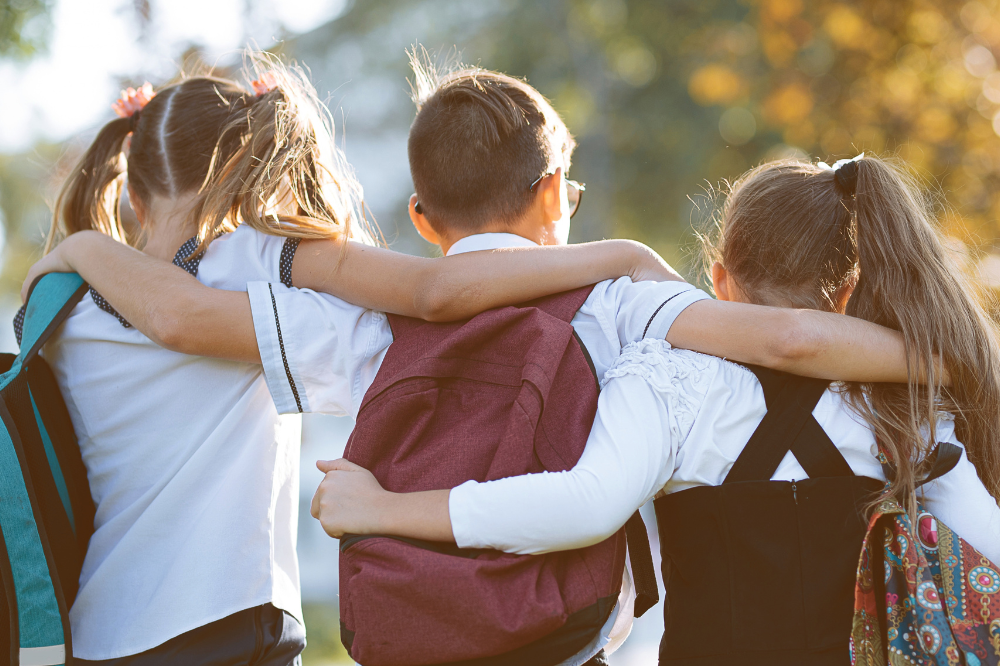
Having a close friend to turn to can make a difference during adolescence, but new research suggests that feeling part of a wider friendship group may matter even more when it comes to resilience.
The findings from Adelaide University offer a different perspective on how schools can support student wellbeing. While close friendships provide individual support, a broader sense of belonging may help adolescents develop the skills needed to cope with setbacks.
The study examined responses from more than 21,000 South Australian public school students in Years 9 to 12. It found that peer belonging was a stronger predictor of resilience than support from a single close friend.
Why friendship groups make a difference
Led by Dr Sarah Halliday and Bastian Miliotis, the study drew on responses to the 2025 Wellbeing and Engagement Collection. Students aged 15 to 18 were asked about their resilience, sense of belonging within a peer group and perceived support from a close friend.
The researchers found that peer belonging was more strongly associated with resilience across all ages, even after accounting for individual differences that could influence friendships and resilience.
One possible explanation is that wider friendship groups expose students to different ways of handling challenges.
"This could be because in a group you have more people role modelling behaviours and skills, so you're exposed to more resilient behaviours than you would be with one close friend. Within this age group too, students have likely been part of established friendship groups for at least a couple of years,” Halliday said.
“Having a support network with a shared history and deeper trust can foster a sense of belonging, helping to bounce back from adversity with greater resilience.”
However, the findings do not establish that peer belonging directly improves resilience, nor do they suggest that having more friends is necessarily better. Rather, what appears to matter is how connected and supported students feel within their wider friendship groups.
What this means for school wellbeing
The findings come as schools continue to examine how social relationships influence student wellbeing and engagement.
While individual friendships remain important, the research suggests that schools may benefit from looking beyond one-to-one support when developing wellbeing initiatives.
"School environments should prioritise fostering diverse peer group opportunities that provide multiple sources of support, connection, and skill development opportunities," Halliday said.
This approach is consistent with the Australian Student Wellbeing Framework, which identifies inclusion and connectedness as important features of positive school environments. It also adds another dimension to discussions about student mental health, particularly during the later years of secondary school.
"Establishing resilience in adolescence is a crucial part of healthy growth and identity development. Resilience in adolescence is also valuable for the transition to well-adjusted adulthood and helping to avoid longer-term mental distress,” Halliday said.
For schools assessing their wellbeing programs, the findings suggest that understanding students' sense of belonging may be just as important as identifying whether they have close friends to rely on.