



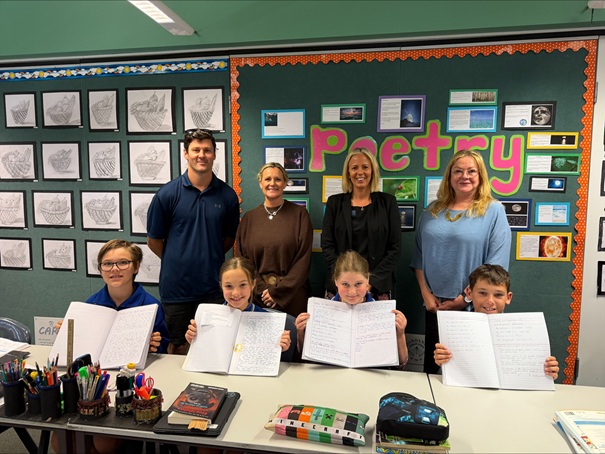
Not so long ago, writing was a sore point at Dardanup Primary School.
At this small public school in regional Western Australia, students froze at the sight of a blank page, and with no whole-school program in place, teachers relied on their own methods, which didn’t build from one year to the next.
In 2023, the school’s leaders decided enough was enough.
They booked a whole-school professional development day with Seven Steps to Writing Success and gave two lead teachers release time to tailor the approach for every year level. Before long, students and teachers in every classroom were speaking the same language about writing.
The payoff came in 2025, when the school’s Year 3 cohort posted the highest NAPLAN literacy results in the South West, finishing well above similar schools and the state average.
A second training day in January 2026 refreshed existing staff and brought new teachers on board.
When this year’s NAPLAN results landed, writing had become the school’s strongest area across the board, with Year 5 also posting impressive results.
“When we began this journey, it was important that staff understood the goal was not to replace good practice, but to create greater consistency for students,” Rebecca Edwards, Deputy Principal at Dardanup Primary School, told The Educator. “We recognised the expertise already within our classrooms and used lead teachers, peer observations, collaborative planning and staff presentations to showcase what was working.”
Edwards said this approach allowed teachers to learn from one another rather than being directed to change.
“By developing shared language, agreed instructional practices and common expectations, we gradually built a whole-school approach while maintaining teacher autonomy,” she said. “Consistency has been sustained through ongoing coaching, induction processes for new staff and regular opportunities to reflect on and refine practice together.”
‘A shared understanding of effective writing instruction’
Edwards said while Seven Steps provided a strong framework, the greatest impact has come from high-quality teaching practices implemented consistently across the school.
“Explicit instruction, daily reviews, I do we do you do model has contributed to improved student outcomes,” she said. “The use of differentiated success criterias has helped students understand what successful writing looks like and how to improve.”
Edwards said the biggest shift has happened in the staffroom, not just the classroom.
“Most importantly, our teachers have developed a shared understanding of effective writing instruction, ensuring students experience consistency as they move through the school regardless of which class they are in from Kindy to Year 6.”
Tackling gaps from the very first year
Edwards noted that as the school’s writing results improved, staff identified a need for greater consistency in assessment and progression from year level to year level.
“The development of whole school moderations tasks and year level rubrics with a clear scope and sequence aims to provide a shared understanding of expected achievement at each stage of learning,” she said.
“Tracking our Pre-primary cohort from 2026 will allow us to monitor growth over time and identify gaps or strengths much earlier. These initiatives will help staff make informed decisions about intervention, extension and curriculum planning while ensuring students are progressing as expected from the very beginning of their schooling journey.”
Looking ahead, Edwards said one of the biggest challenges facing schools is teaching students to be thoughtful, authentic and purposeful writers in a rapidly changing digital world.
“Technology, including AI-assisted assessment tools, has enormous potential to reduce administrative workload, identify patterns in student achievement and provide valuable data for teachers,” she said. “However, it cannot replace professional judgement.”
Edwards said effective writing “is about more than structure and conventions.”
“It involves voice, creativity, audience awareness and critical thinking,” she said.
“Technology should support teachers by providing additional information, but decisions about student achievement and next teaching steps must remain grounded in the expertise and relationships that educators bring to the classroom every day.”