



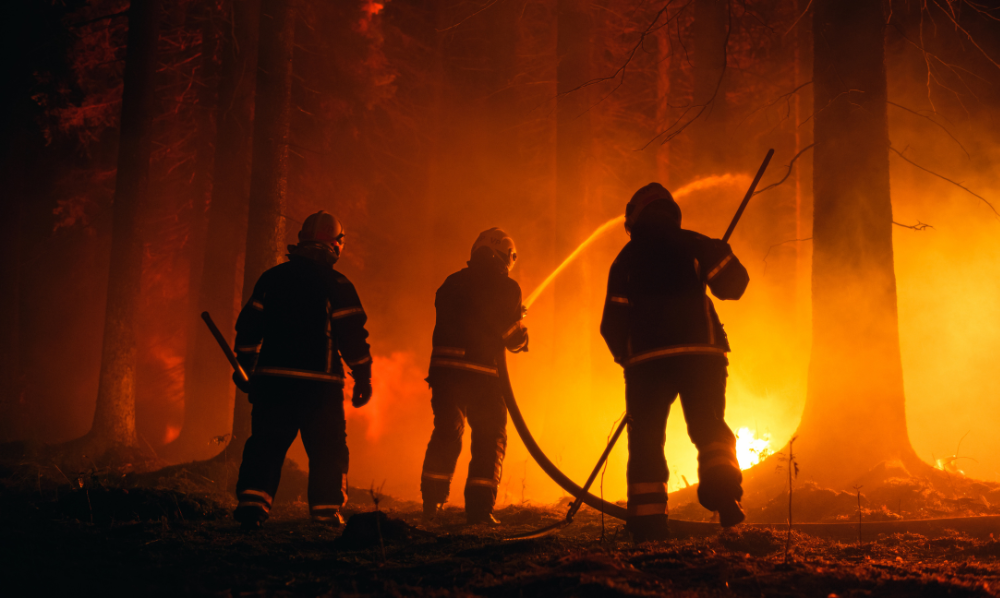
For many schools, summer brings more than the promise of a well-earned break. Across much of the country, the warmer months also bring extreme heat, bushfire threats and the very real prospect of disruption to learning, wellbeing and day-to-day operations.
However, confidence among Australian educators that their school or early learning service is prepared to respond to a critical incident has dropped from 71% in 2024 to 63% in 2026, according to data from Beyond Blue.
As Australia gears up for a potentially hazardous bushfire season, how schools prepare, respond and recover can shape how children, young people and adults cope in the months and years that follow.
A shifting operational load for Principals
“Thousands of schools have experienced some type of natural disaster in the past decade, and some schools have experienced back-to-back consecutive or concurrent events,” Kristen Douglas, national head of schools and communities at headspace, told The Educator. “This means multiple challenges occurring simultaneously, and compounding.”
Douglas said that for some schools this has meant prolonged school closures and rebuilds, and repeated disruptions.
“It has also meant grief, loss, distress, and significant impacts to learning and engagement,” she said. “Schools therefore often don’t get a chance to recover or stabilise before being impacted again. It really does test individual school and community resilience.”
Douglas added that in these scenarios schools are “vital anchors of safety and connection” for whole communities.
“This can mean school leaders and staff often carry enormous responsibility during these times. However, the types of things that schools manage have shifted over time,” she said.
“Schools are having to think about road closures, evacuation routes, digital connectivity and how to manage communication with families, management of community donations, water and food security, staff as volunteers, child safety, and much more.”
Douglas said another important consideration for schools and communities is that many may be approaching the anniversary of a previous disaster or traumatic event.
"Anniversaries can be particularly challenging, potentially reactivating distress for individuals and communities and bringing unresolved issues, emotions and experiences back to the surface," she said.
"The smell of smoke, the sound of a siren, the shifting weather can be enough to impact a child or an adult. In saying that there are practical things school leaders and educators can do to reduce this re-emergence of stressors and responses."
Who supports the leaders holding everyone together?
Angela Falkenberg, President of the Australian Primary Principals Association (APPA), said school leaders play a vital role in guiding their communities through natural disasters, providing stability, reassurance and connection amid loss and uncertainty.
“The impacts extend well beyond damaged buildings, affecting wellbeing, learning, and community relationships,” Falkenberg told The Educator. “Preparation matters: schools need strong partnerships, clear response plans and resources tailored to local needs.”
Falkenberg said it must also be recognised that Principals may be personally affected while supporting others.
“We cannot build resilient school communities by relying on the resilience of individual principals alone,” she said. “Practical assistance, professional support and recovery time are essential to sustaining leaders’ wellbeing and capacity to guide their communities through crisis and recovery.”
Fortunately, Australia’s community recovery approaches have evolved, said Douglas.
“Australia’s experience with repeated large-scale disasters has led to more explicit planning for prolonged recovery and delayed trauma impacts,” she said. “It has also led to broader thinking in preparedness.”
A collision course for Year 12 students
Andy Mison, President of the Australian Secondary Principals Association (ASPA), said bushfire season poses a unique challenge for senior students on the cusp of leaving school.
“Disasters can disrupt learning, wellbeing and plans for the future for our students and their families,” Mison told The Educator. “For secondary students, the bushfire season overlaps with final exams and transitions beyond school, so preparation must include plans for continuity of assessment, attendance and student support.”
Recovery also extends well beyond the emergency, Mison noted.
“Effects on young people can emerge months later, and schools are often where they first become visible,” he said. “Principals need sustained support from systems and specialist services throughout that period, with clear coordination between education, health and emergency agencies.”
Douglas said headspace works nationally in partnership with education sectors and school leaders so schools can prepare and respond with confidence, protect mental health, strengthen connection and foster recovery.
“For school leaders, these experiences can mean leading people who are stressed or distressed, navigating challenging inter-agency and community relationships, managing stretched services and dealing with workforce fatigue,” she said.
Why timely, culturally safe advice matters
Dyonne Anderson, a NSW Principal and President of the National Aboriginal and Torres Strait Islander Principals’ Association (NATSIPA), said the true cost of disaster lingers long after the floodwaters recede.
“Recovery is often viewed as short term, yet more than four years after experiencing the 2022 Northern Rivers floods, many of our families remain displaced and continue to experience significant impacts,” Anderson told The Educator.
“Access to services, expert advice and culturally safe support can be the difference between surviving or not.”
In recent years, the Australian Government established the National Emergency Management Agency (NEMA), which coordinates disaster preparedness, response, recovery and resilience nationally.
headspace, in partnership with NEMA and the Bureau of Meteorology (BoM), has planned a significant national event in November to support and guide schools in the lead-up to summer. This national webinar will help school communities prepare for summer, covering predicted weather and heat concerns, geographical areas of risk in the coming months, strengthening preparedness, building resilience, and communicating with staff, students, and families.
“This briefing provides a valuable opportunity to build capability and ensure that no one is left unaccounted for,” Falkenberg said.
Principals are the first line of defence
Belinda Hudak, a Victorian Principal and President of the Victorian Association of State Secondary Principals (VASSP), said the event gives school leaders a chance to hear from experts and strengthen their emergency preparedness ahead of summer.
“Principals play a critical role in keeping students, staff and families informed, safe and supported, particularly in communities vulnerable to bushfires,” Hudak told The Educator. “Having access to timely information, practical resources and wellbeing advice helps school leaders plan with confidence and respond effectively when challenges arise.”
Anderson said the right advice, received early, can shape how well a community weathers the storm.
“I strongly support the national summer briefing for school leaders and communities,” she said. “Access to expert guidance can strengthen preparation and planning, minimise the impacts of natural disasters, and support a more coordinated recovery through effective services, resources and community partnerships.”
Event details
Date: Wednesday 4 November 2026
Time: 1pm-2:30pm AEDT
Register here: National Summer Briefing