



Burnout has long been treated as an occupational hazard that school leaders learn to live with. But as workloads intensify, staff shortages bite and the pace of change accelerates, the cost of ignoring it is rising for schools across Australia.
For Principals, that pressure comes from several directions at once.
Since April 2023, employers have been legally required to manage psychosocial hazards such as unrealistic workloads and poor leadership. Meanwhile, AI is reshaping staffrooms in a country where nervousness about the technology runs higher than anywhere else surveyed. And the leaders managing these risks are often quietly burning out themselves.
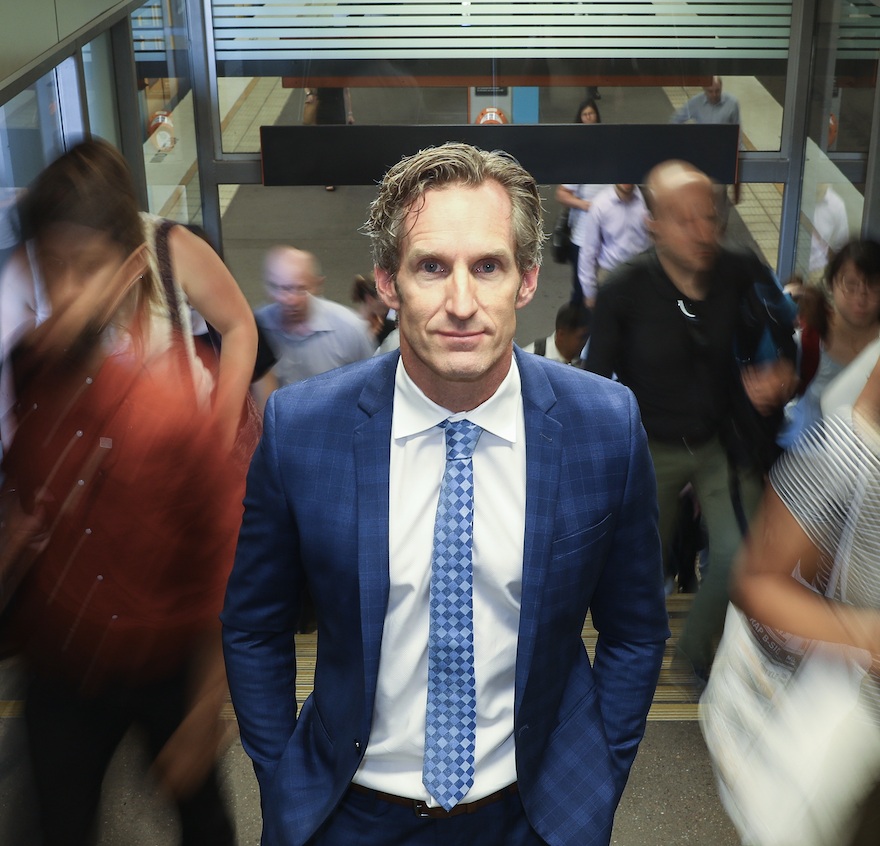
It's territory Karl Treacher knows well. The CEO of The Culture Institute of Australia has spent two decades advising the boards and executive teams of the nation's largest organisations. His new book, 'Built to Burn', unpacks why workplaces burn people out, and how the best leaders build cultures that don't.
Treacher’s insights could hardly be timelier for school leaders.
Below, The Educator speaks to Treacher about the gap between talking about culture and building it, who looks after the principal when burnout reaches the top, easing AI anxiety in the staffroom, and the leadership shift schools need in 2027.
TE: A lot of schools already talk about culture in their values statements and welcome packs. Drawing from your two decades of experience in advising the boards and executive teams of Australia's largest organisations, what's the most meaningful difference between a school that just talks about a healthy culture and a school that has genuinely built one?
I’ve sat in many boardrooms where the values were on the wall but nobody could tell me the last time they changed a decision. Schools may not be all that different. A school that has built a healthy culture can give you examples. For instance, they may cut meeting times based on being efficient, or provide flexible teaching arrangements to demonstrate the value of empathy or compassion. They check how staff are going more than once a year, and someone on the leadership team takes reponsibility for the team’s culture health. Values statements cost nothing to write, living them in an era where attention and time are expensive is another matter. A more deliberate one.
TE: The people responsible for 70% of team engagement are themselves disengaging at record rates, and WHS changes now making psychosocial hazards a legal issue, not just a wellbeing one. Given that Principals are often the last people to put their own hand up for help, what does an effective, meaningful response look like when the burnt-out person is the leader themselves? And who's meant to be managing that risk when it sits at the top of the organisational chart?
Legally, a principal is a worker like any teacher on staff. Whoever employs them, whether that’s a school board or a system, has to (proactively) manage the risks of the job, and since the WHS changes that includes stress and exhaustion. In some cases board members can be held personally responsible. Principals rarely put their hand up. Most got the job by coping with more than everyone else, so asking for help may feel like failing. So, somebody above them has to look at what the role actually involves, the hours and the angry parent emails at 10 pm included, and take some of it off their desk before they run too hot for too long.
TE: You say the psychological impact of AI is shapeable, and that leaders who build their team's confidence with it can buffer the anxiety, while those who don't are basically “pouring accelerant on the fire.” What does building and instilling that confidence look like in a school staffroom where half the room might still be nervous about using AI?
Start with the principal. If the person running the school will candidly open an AI tool in a staff meeting and get a bad answer in front of everyone, the staffroom relaxes a bit. Permission to try and fail needs to witnessed not preached. Then give people time. Twenty minutes to try AI on something dull, like rewording a newsletter or drafting a rubric, with a colleague beside them, or in a group. Be clear about what can and can’t be shared, especially anything about students. Providing basic guidelines about responsible AI usage is step one and they are readily available. Nervous staff mostly want to know what this means for their job. If nobody tells them, they’ll assume the worst, and leaving them to it is pouring accelerant on the fire. Effort needs to be given to raising AI acumen - but within a time-frame. Some teachers will did their heels into a legacy practice that is outdated and in this current era, there is no time to waste.
TE: Looking ahead, if you had to pick one shift you want to see in how Principals lead their schools through 2027, what would it be, and why?
I’d like principals to check on their staff the way they check on student progress. Every term, with the results going to the board. I would like to see a culture health score discussed but the board and leadership teams and decisions made off the back of this. Decision that relate to designing the working practice, teaching, planning and admin. Australian teachers have more admin than any other teachers globally and I personally don't think that’s good enough as there is no doubt a knock-on effect to teacher wellbeing and effectiveness. Plenty of schools still run one survey a year. By the time the report comes back, the teacher who was struggling in term two has already resigned. Boards are going to start asking about this now the WHS laws have changed. Principals who can already show them the numbers, and what they did about them, will have a far easier 2027 than the ones scrambling to find something in under pressure.