



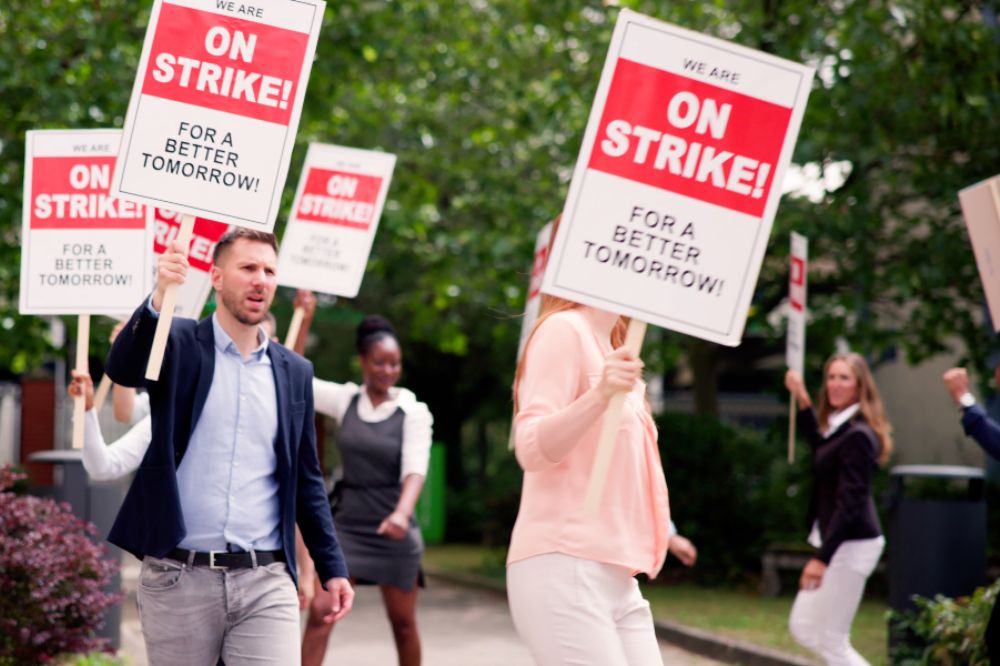
Victorian teachers have rejected the state government’s proposed deal on pay and conditions, saying it does not go far enough to address their concerns over excessive workloads and under-resourcing.
The move came after Australian Education Union (AEU) Victorian Branch members overwhelmingly voted against an in-principle agreement, proposed in May, between the AEU and the Allan Government for teachers to receive pay rises of up to 32.4% over the next four years.
The deal, endorsed by the union's delegate council, would have seen an experienced teacher's salary rise from $118,063 to $151,419 by 2029, including a $15,000 increase this year. The agreement followed months of campaigning over pay and workload concerns, with many members still frustrated by the union's 2022 deal, which delivered annual pay rises of just 2% during a period of high inflation.
Justin Mullaly, AEU’s Victorian Branch president, said the state’s public school teachers, education support employees, and school leaders are “undervalued and overworked”, averaging 12 unpaid hours per week.
“Our public schools are also the lowest funded in Australia,” Mullaly said in a statement “AEU members have sent a clear message to the Premier and her government that the in-principle agreement and current levels of public school funding do not go far enough to address their concerns.”
According to the annual Report on Government Services, Victorian public schools remain the lowest funded in the country, with the state contributing around 75% of the Schooling Resource Standard (SRS) while other jurisdictions move closer to full funding.
The AEU says the funding gap is making it harder for the state’s public schools to address growing workload pressures, workforce shortages and increasingly complex student wellbeing needs.
“Our union will take in our campaign to get the Allan Labor government to deliver improved pay and conditions, including in relation to excessive workloads, and to get the state and federal governments to sign a funding agreement to fully fund every Victorian public school just like public schools are in every other state and territory,” Mullaly said.
The Australian Education Union Victoria branch’s Joint Primary and Secondary Council, which is made up of 120 elected teachers, education support staff and principals, will meet today to determine the next steps.