



Each year, schools pour time into professional learning to make sure teachers are at the top of their game. But does any of it really change what happens in the classroom?
At Ave Maria College, a voluntary pedagogical coaching program is taking professional learning straight into classrooms by letting teachers choose exactly what they want to work on, while trained coaches observe, ask questions and help map out practical next steps.
It’s a collaborative approach that raises a broader question for schools: if we want professional learning to influence teaching practice, do we need to make it easier for teachers to open their classroom doors to one another?
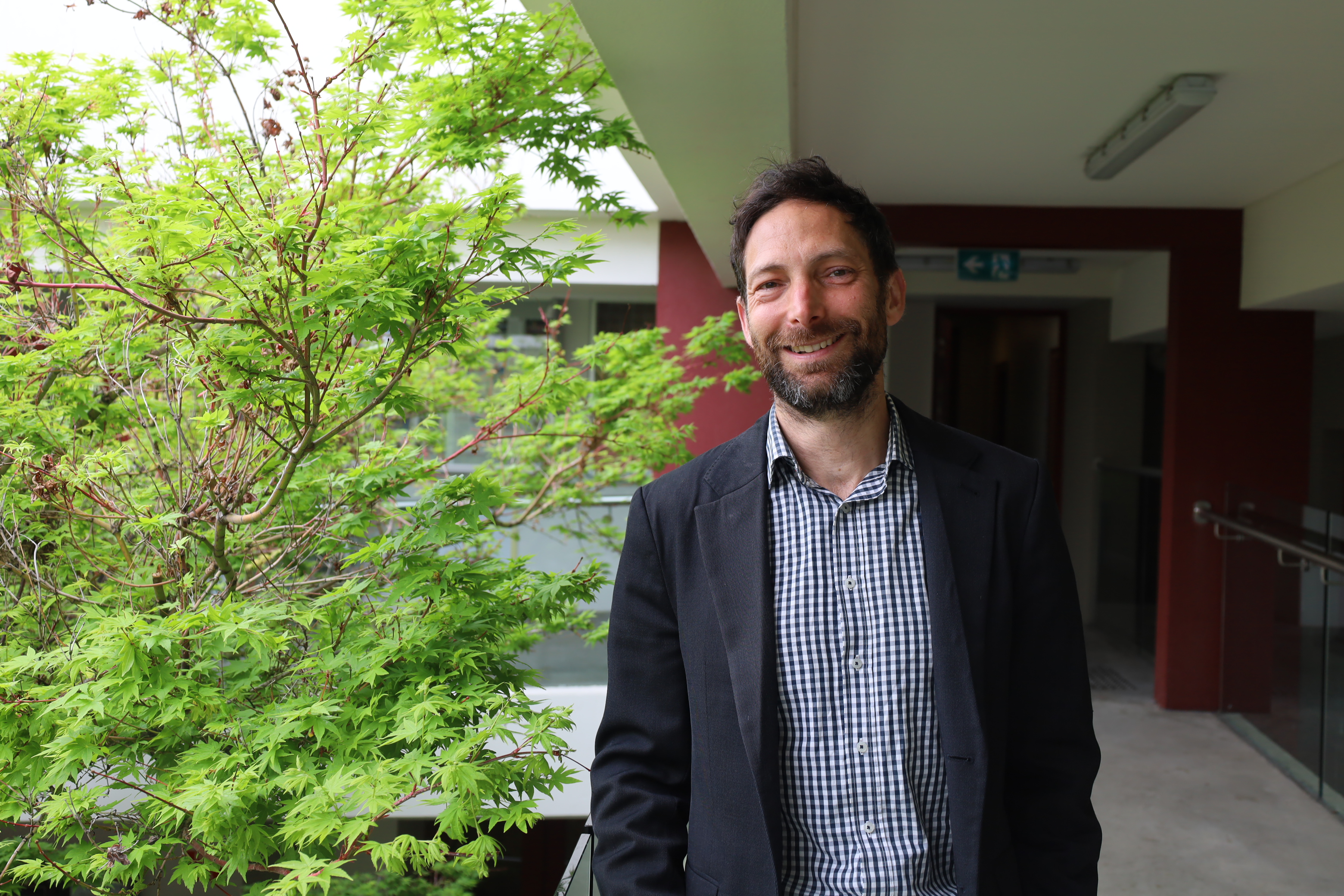
James Jacobs is Year 10 Year Level Leader and head of pedagogical coaching at the College.
He says Year level leadership brings a close understanding of students—their progress, wellbeing and the factors that can affect their capacity to learn—while pedagogical coaching creates opportunities to work with teachers as they reflect on and refine their classroom practice.
“Bringing these perspectives together reinforces the close relationship between learning and wellbeing, and the value of understanding what students are experiencing alongside what is happening in the classroom,” Jacobs told The Educator.
“Ultimately, both roles come back to a question that sits at the heart of effective teaching: what else can we try to help this student learn?”
Why rehearsal beats information
Jacobs said the key to pedagogical coaching is translating new ideas into habits that become embedded in teaching practice.
“Even great ideas from PD days can slip out of mind for time-poor teachers who already have established processes to lean on,” he said. “By contrast, pedagogical coaching is tailored to the needs of the individual teacher.”
Jacobs said this allows teachers to set small, achievable goals, identify strategies to work towards them, and then collaborate with a coach to embed those changes in the classroom.
“That sense of autonomy, progress and ownership can also be highly motivating,” he said. “Importantly, coaching creates an opportunity not simply to hear about new ideas, but to rehearse them.”
Jacobs said an apt analogy here is that that swimmers don’t become better swimmers by learning about different strokes but by getting in the pool and testing them.
“The same is true of teaching,” he said. “Putting an idea into practice, having another set of eyes and ears on what happens, reflecting on it and then having another go is what helps turn new approaches into lasting habits.”
Turning observation into shared learning
Having a colleague sit up the back of your classroom can feel confronting, even when everyone insists it isn't about judgement. Jacobs said earning teachers' trust early on comes down to a mindset that cuts both ways.
“Trust starts with recognising that teachers are deeply committed to their students and want to help them learn and succeed,” he said. “I’ve always taken inspiration from Dylan Wiliam’s observation that every teacher needs to improve, not because they are not good enough, but because they can be even better.”
Jacobs said that means looking for the good first by noticing and affirming what is working, while recognising there is always room to grow.
“It’s also important for that openness to go both ways,” he said. “I regularly invite colleagues into my own classroom, particularly teachers I’m partnering with through coaching.”
Jacobs said in some cases, staff adopted the same goal and observed each other trying different strategies, which he’s “sometimes fumbled through.”
“More broadly, we’re working to make open classrooms part of our teaching culture at Ave Maria College,” he said. “This year, new teaching staff toured existing classes as part of their onboarding, giving them the opportunity to see colleagues in action from the outset.”
Jacobs said the benefits of opening classroom doors shouldn't be reserved for coaches alone.
“As coaches, we’re fortunate to observe excellent teachers, and there is real value in extending that opportunity to others,” he said. “Creating more opportunities for teachers to observe one another helps shift observation from something that can feel evaluative to an opportunity for shared professional learning.”
When individual goals meet a school-wide focus
Jacobs said one coaching cycle particularly stood out for the way it brought individual goals and a school-wide priority together.
“One of the most effective coaching cycles I observed came during a term when retrieval practice was a collective focus of our broader professional learning program,” he said. “Staff explored the evidence behind retrieval practice and how it could be applied in the classroom, with some teachers inviting pedagogical coaches to work alongside them as they put that learning into practice.”
Jacobs said within that shared focus, there was still plenty of room for teacher agency.
“Teachers decided which retrieval strategies they wanted to explore, and when and how they would use them,” he said.
“The coach’s role was to help the teacher think through where retrieval practice might have the greatest impact, observe the strategies in action and then reflect together on what was working and what could be refined.”
In one coaching cycle, that included trying strategies such as quick multiple-choice quizzes embedded in Stile and cloze activities, then adapting their use over time, Jacobs explained.
“Rather than being something trialled once, retrieval practice became embedded in the teacher’s classroom practice,” he said. “What was particularly powerful was the alignment between individual teacher goals, coaching and the school-wide focus.”
Jacobs said this created a sense of “collective uplift” and greater consistency in the student experience, while still giving teachers ownership over what changed in their own classrooms.
“Student surveys and conversations also gave us another perspective on how those changes were being experienced by learners.”
Start voluntary, build slowly
For Principals keen to build a coaching culture of their own, the challenge is often finding room in an already crowded workload. Jacobs said getting the foundations right from day one matters, and so does resisting the urge to rush.
“Beyond cultivating positive relationships and open communication, one of the most important decisions we made was to keep coaching voluntary,” he said. “That meant the teachers who initially worked with pedagogical coaches were interested and motivated to engage in the process, which helped establish a positive foundation we could build on.”
Jacobs said staff also invested time in preparing the coaches themselves as the program was developed.
“The pedagogical coaches worked closely together, observing each other’s coaching conversations, sharing feedback and rehearsing the process before formally offering coaching partnerships to the broader teaching cohort,” he said. “That preparation helped create a consistent approach from the outset.”
Jacobs said that, over time, that openness has extended beyond formal coaching, with teachers increasingly opening their classrooms to colleagues and sharing their practice with one another.
“The mistake I’d caution against is expecting a coaching culture to develop too quickly,” he said. “Building openness and trust takes patience and persistence.”
Jacobs said the program's success has hinged on listening to teachers as much as guiding them.
“We’ve created regular opportunities for teachers to share their experiences of coaching and provide feedback on the program,” he said. “For us, it has been about holding firm to the principles of coaching, while being willing to adjust how the program operates in response to what teachers tell us they need.”