



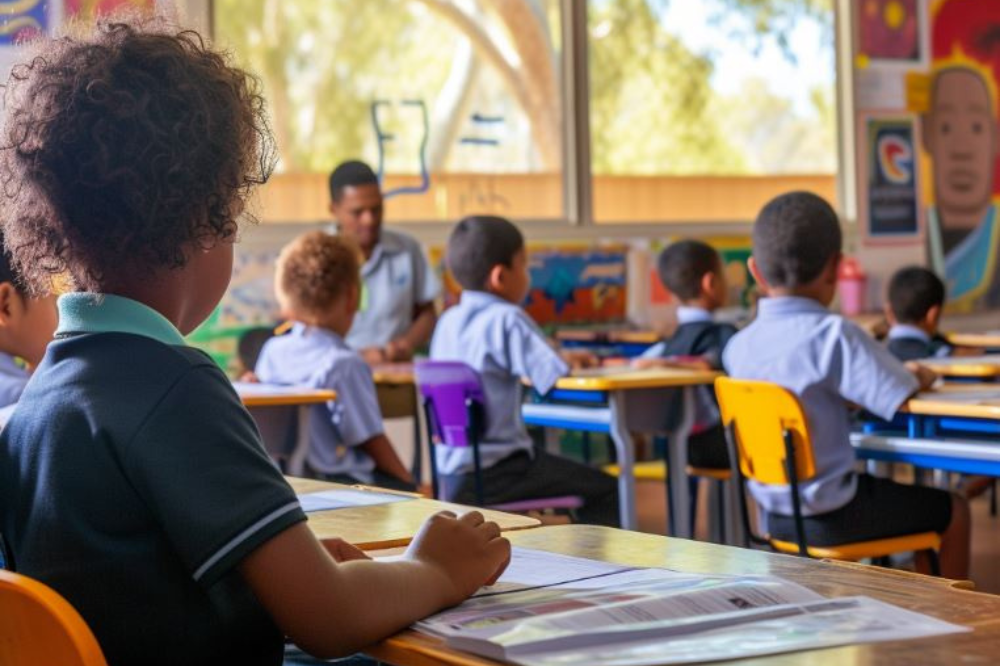
Australian primary teachers are receiving updated First Nations classroom resources as schools continue to address gaps in confidence around teaching Aboriginal and Torres Strait Islander content.
The new edition of “Yarning Strong” by Oxford University Press Australia combines First Nations-authored texts with supporting resources for Years 3–6. Its release coincides with Indigenous Literacy Day and expands the series to include contemporary issues alongside historical material.
The update comes as research indicates many teachers want greater preparation for this area of the curriculum. A 2023 Monash University survey found 45% felt unprepared to teach Australian Curriculum priority areas after initial teacher education. These included Aboriginal and Torres Strait Islander Histories and Cultures and student diversity.
Concerns around teacher confidence in Indigenous knowledge have also centred on fears of making mistakes or approaching culturally sensitive material without sufficient knowledge. The issue has increased attention on resources that provide teachers with both classroom content and contextual guidance.
Supporting teachers beyond individual events
“Yarning Strong” is designed to help teachers incorporate First Nations perspectives across English and Humanities learning. Its novels can also be used as mentor texts in English lessons.
The approach reflects a broader push to embed First Nations perspectives throughout the year, rather than concentrating them around events such as NAIDOC Week. The new edition includes lesson plans and background articles intended to help teachers prepare for classroom discussions.
First Nations educator Cara Shipp used the first edition of “Yarning Strong” in her classroom and contributed teaching expertise to resources supporting the update.
“When I brought Yarning Strong into the classroom, I saw students puff up with pride. They could connect with what they were reading and feel proud that their cultures and histories were being reflected in their learning. I could see the impact that had on their sense of belonging and engagement,” Cara said.
“It starts with teachers learning, reading and immersing themselves in First Nations texts. If you’re not First Nations yourself, building that knowledge can go a long way towards helping you feel more confident in the classroom.”
Contemporary issues added to the series
The revised edition extends beyond historical topics to include events and debates affecting Aboriginal and Torres Strait Islander communities today. New material addresses the 2023 Voice to Parliament referendum and Treaty in Victoria.
These topics sit alongside material covering issues including the Stolen Generations and land rights. The update aims to connect historical learning with contemporary First Nations cultures, experiences and perspectives.
The challenge of teaching First Nations content has increasingly included questions about how educators handle complex or confronting subjects. Supporting material can give teachers additional context before those discussions reach the classroom.
First Nations writers and creators remain central to “Yarning Strong,” giving students access to stories told directly from First Nations perspectives. Contributors include Jared Thomas, whose work for younger readers explores culture, identity, family and contemporary Aboriginal life.
“If you’re an Aboriginal student and you’re not seeing yourself reflected in the classroom, that can really impact negatively on your self-esteem and learning. When we see our knowledges in the classroom or our experiences, we feel valued, we feel validated,” Thomas said.
“For Aboriginal young people, literacy development can be strengthened when our histories, genealogies and stories are brought into the classroom. Aboriginal-authored texts are central to doing that.”
Literacy research adds another dimension
Evidence also suggests classroom inclusion of First Nations histories and cultures may be associated with literacy outcomes for Indigenous students.
The Australian Government’s Longitudinal Study of Indigenous Children found higher average literacy scores among children attending schools using the relevant cross-curriculum priority. Their scores were higher than those of children at schools that had not incorporated the priority.
The finding identifies an association rather than proving the curriculum approach caused the difference. However, it provides additional context for schools considering how representation, curriculum content and learning outcomes intersect.