



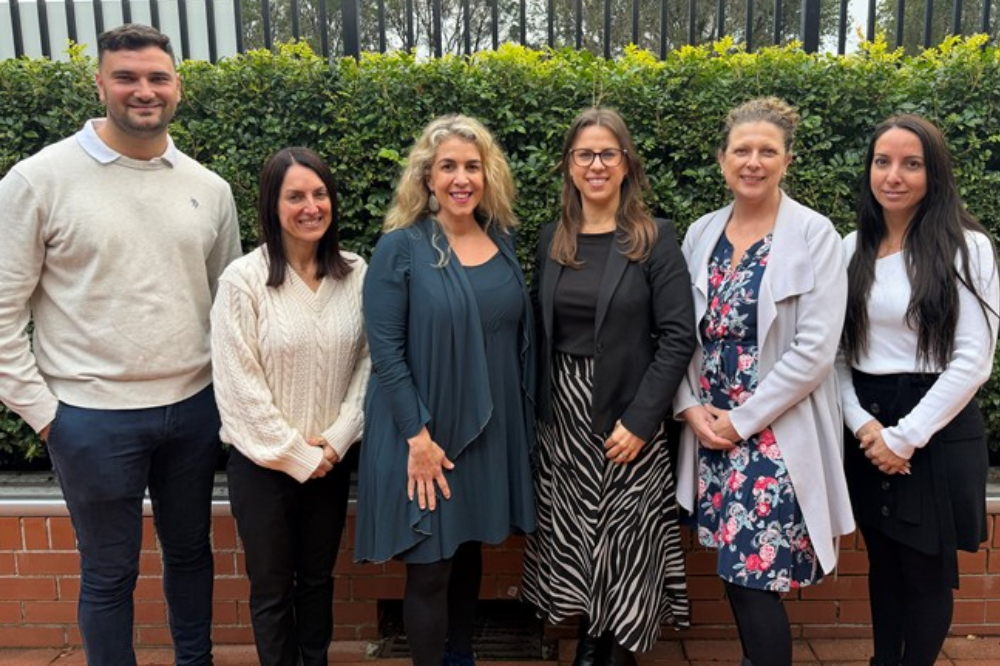
At St Paul of the Cross Catholic Primary School in Sydney's inner west, a quiet transformation has been unfolding – one built on evidence, collaboration and a relentless focus on improving outcomes for every student.
One outcome of that work has been Principal Brooke Watson's decision to pursue Highly Accomplished and Lead Teacher (HALT) accreditation – a process she initially undertook to better support her staff, but one that would ultimately provide new insights into leadership, professional learning and whole-school improvement.
Recognised as one of the highest levels of professional certification available to Australian educators, Highly Accomplished and Lead Teacher (HALT) accreditation isn't simply earned through good teaching. It's the culmination of years spent refining practice, lifting others and helping shape a culture where excellence becomes part of the school's DNA.
The school currently has five nationally certified HALT teachers, including four Lead Teachers, with another staff member expected to complete the certification process within the next two weeks.
Below, The Educator speaks to Watson about the lessons she learned through HALT accreditation, how it strengthened whole-school improvement, supported curriculum reform and teacher growth, and why investing in educator expertise is key to improving student outcomes.
TE: You said you originally started this process to support your staff and didn't even realise a principal could pursue HALT accreditation. Looking back now, what surprised you most about the process, and how has it influenced your leadership at St Paul of the Cross Primary School Dulwich Hill?
As a leader, I model the Standards I expect from my team. I knew that the HALT accreditation process was going to be challenging and I wanted to truly be able to support my colleagues. To do this authentically, I needed to immerse myself in the process also. Becoming a Lead Teacher, as a Principal, I learned far more than I expected I would. The process enhanced my knowledge of the Standards, gave structure to refining existing processes, identified areas for development and most importantly, provided a road map that drove schoolwide capacity building of staff.
TE: There's still a perception in some schools that HALT accreditation is mainly about recognising individual teachers. From your experience, how much of it is about the systems, culture and professional learning happening across the whole school?
The HALT accreditation journey has been a rigorous and practical professional learning to engage in. While postgraduate studies are invaluable and wonderful for building your professional knowledge, they are limited in how deeply you can engage in and directly impact your own setting. The HALT process drives individuals to explore the systems and processes within their school and analyse the level of impact that they have. Completing the HALT process as a team, further builds the reach and effectiveness of this, in turn, increasing the benefits for the students we teach. The individual recognition is essentially a cherry on the top. It is lovely to be acknowledged, however, the true rewards come from having external validation that as a school, we know our students well and are able to ensure that their learning needs across all domains; academic, social, emotional, physical and individual character building, are being supported in the best way possible. Our internal and external school data, including NAPLAN and Tell Them From Me survey results further support this impact. To know that, as individuals, and as a school, we are providing excellence in education, shaping the hearts and minds of the students in our care, is all the recognition that we need. What better reward is there for an educator?
TE: You've linked HALT accreditation to curriculum reform, evidence-based teaching and a low-variance approach. What did that work look like in practice, and how did you know it was making a real difference for students rather than just ticking compliance boxes?
The changes that came with the curriculum reform forced us to immerse ourselves in the literature so we could understand what we were required to do and why. It was from building our understanding that we then needed to establish processes to ensure a shared understanding across the school and to know, as school leaders, that every child was achieving learning outcomes throughout the period of flux. We had evidence of our impact because data across all areas (academic and social/emotional) was strong, positive messaging across the community started to spread and enrolments grew. Also, seeing our teachers grow in confidence and enthusiasm for their craft was another positive indicator.
TE: I understand you've seen strong student growth while embedding the practices that ultimately supported HALT accreditation. Do you think schools sometimes underestimate the connection between investing in teacher expertise and improving student outcomes?
Working regularly with each individual student in my school would be a dream, however, part of growing as a leader is realising that this isn’t a feasible or sustainable approach, nor does it build capacity in others. Therefore, alternatives to have the greatest reach must be sought. Investing in teachers is the best way for me to have the greatest impact on student learning outcomes. A happy teacher has more love and patience to offer their students. The Standards based approach I take in my work extends to the teachers I lead regardless of where they are on their career journey. Ensuring that their intellectual, physical, social and emotional needs are met as best as possible. I strive to ensure all teachers feel valued and supported, giving them a voice in shaping the school and building their capacity is a priority.