



A Queensland teacher's registration remains suspended after a tribunal linked her charges to Australia's biggest-ever cocaine bust.
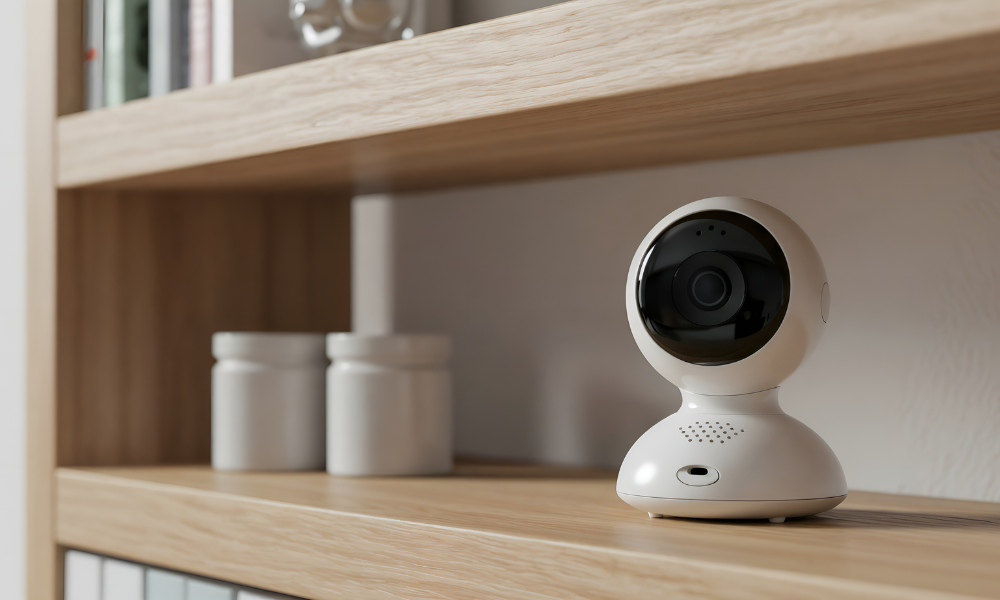
The baby monitor told the story before the tribunal did.
On November 10, 2026, the Queensland Civil and Administrative Tribunal (QCAT) ordered the continued suspension of Alyce Faith Cubillan's teacher registration. The Queensland College of Teachers had suspended her on July 29, 2026, eight days after the Australian Federal Police notified the College that the teacher had been charged with possessing a commercial quantity of a border-controlled drug under the Criminal Code Act 1995 (Cth).
The charge, the decision noted, followed an AFP media release titled "Australia's biggest ever cocaine bust as police seize another 2.7 tonnes under Operation Minjiang."
The camera in the garage
The key evidence came from an unlikely source. An AFP statement of facts filed with the tribunal referenced a home security camera - described as a "baby camera" - at the teacher's home. The footage captured her husband telling her he was "getting rid of it tomorrow" and that "the pay comes in 3 days instead of 6."
When the teacher asked "when are they picking it up," he replied it would be tomorrow morning as "they ran out of time."
The conversation went further. Her husband discussed payments of "$25,000" - with "$20,000 goes to you" and "$2,000 stays with me" - and told her "we can go shopping Saturday."
In a separate recorded exchange, he said: "for how much is here I should get more ... each bag is 30kg."
The footage also showed the teacher and a young child walking past what the decision described as "a vehicle sized mound" of the alleged drugs. The child was at the residence while bags were being moved in the garage. The teacher confirmed in her own affidavit that her daughter lived in the home where the alleged drugs were stored.
What the teacher argued
The teacher submitted that the alleged offence, while serious, did not provide "any logical basis" to find she posed a risk to children. Her case was that her criminal liability appeared to be based on her alleged knowledge of bags containing an illicit substance at the house she shared with her partner, and that she was not alleged to have been involved in the importation, transportation, or broader criminal operation.
She filed a report from a clinical neuropsychologist dated October 22, 2026, which found her "suitable to work in a child related field" and assessed her risk of reoffending as "low." The tribunal noted, however, that the same report flagged "some evidence of positive impression management which might limit the reliability of the findings."
In her affidavit, the teacher stated she "had no knowledge of or involvement in the arrangement to store the items alleged to contain illicit drugs in our house." She told the psychologist she had come home from work and there was a "bunch of stuff in the garage and I did not know what it was," and that she trusted her husband was "not doing anything dodgy."
Why the suspension stood
Under Queensland law, the tribunal must continue a teacher's suspension unless it is satisfied the teacher does not pose an unacceptable risk of harm to children. That is a protective standard - it does not require a finding of guilt or innocence. The burden falls on the teacher to show she is not a risk, not on the College to prove she is.
The tribunal found that threshold had not been met. The decision also pointed to the broader impact: if not suspended, the teacher could remain in a classroom while facing potentially lengthy and well-publicised criminal proceedings, which could affect the psychological or emotional wellbeing of students.
Non-publication order refused
The teacher applied for an order suppressing her name from publication. The College opposed it.
The tribunal refused, applying the principle of open justice - the idea that tribunal proceedings should be open to public scrutiny unless there is a clear reason to restrict reporting. The decision noted that non-publication orders are "not to be exercised lightly" and that the teacher had not identified any specific confidential information or public interest reason justifying one. The teacher and the alleged offending had already been reported in publicly available media, including the Courier Mail.
The teacher may apply for a review of the decision within 28 days.
For school leaders managing teacher fitness-to-teach processes, the case is a reminder that QCAT applies a deliberately low bar when children's safety is at stake - criminal charges alone, well short of conviction, can be enough to keep a teacher off the register.
The criminal charges against the teacher have not been determined. The QCAT decision expressly makes no finding of guilt or innocence in relation to those charges. The suspension is protective in nature and the teacher may seek review of the decision within 28 days.