



Tucked inside Mount Errington – an 1897 heritage home perched at one of Hornsby's highest points – Blue Gum Community School is anything but your typical school. There are no bells signalling the next lesson, no uniforms, and no certificates handed out as rewards.
The small, community-based, not-for-profit outfit first opened its gates as a preschool in 2022, with the primary school following in 2023, and now teaches Kindergarten to Year 3 on its way to a full K-6 offering by 2029.
Enrolments are deliberately modest – 52 approved preschool places and two teachers for every 24 primary students – underpinning a personalised, strengths-based culture where kids learn by 'thinking and doing', not just 'sitting and listening'.
A human place where everyone is known
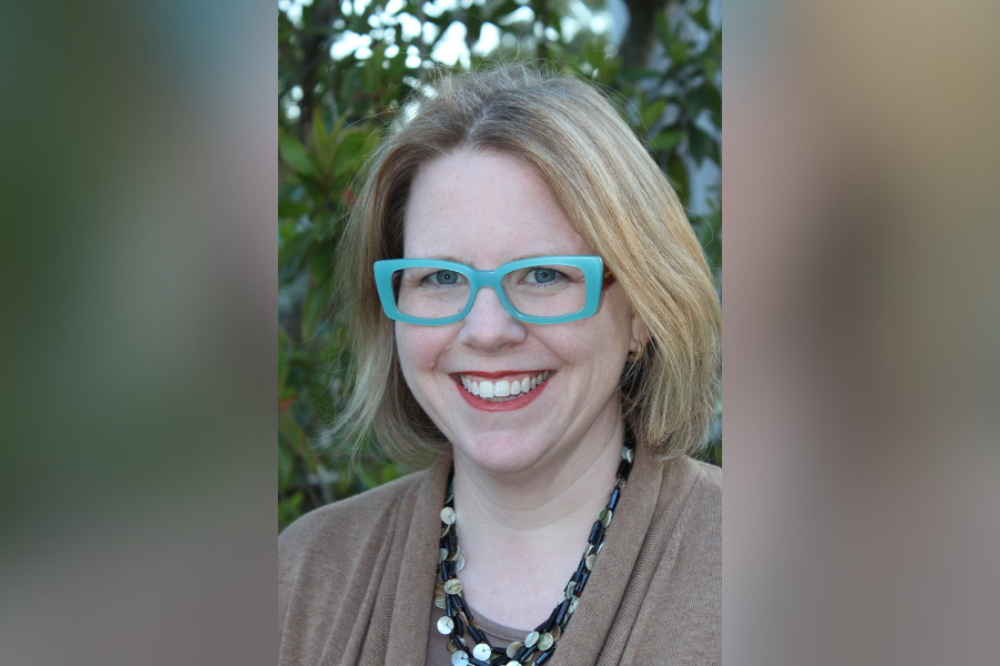
“The thinking that led us here, establishing a new school in Hornsby, is based largely on an unshakeable faith in the capacity of students as thinkers and designers in the world,” Principal Jill McLachlan told The Educator.
“We believe their experiences at school powerfully shape their developing expectations of themselves and of the world around them, and so it matters a lot what school is actually like.”
McLachlan said the school's culture is deliberately designed to foster connection, purpose and genuine engagement in learning.
“At Blue Gum, we talk about our school as a human place. It’s a real community where everyone is known and where the program is shaped by engagement, meaning and intention,” she said. “We want our students to be switched on by learning, not tuning out and wishing they were somewhere else.”
McLachlan described the school’s teachers as “co-researchers” with their students, inviting them into daily encounters with ideas, skills and ideas as they develop understandings across the curriculum.
“At Blue Gum, we think about thinking, we learn about learning, and we do that together every day, as we figure out what it means to live well in community. It’s not just any place!”
In 2015, McLachlan and Dr Clare Britt, Manager of Early Childhood Research for the NSW Department of Education, co-authored book, titled ‘Unearthing Why – Stories of Thinking and Learning with Children’. The book challenges educators to slow down, listen more closely to children and take their thinking seriously.
When asked if there is one lesson from writing the book that she thinks every Principal should stop and reflect on, McLachlan pointed to the importance of staying grounded in a school's core purpose and values.
“For me, the book always brings me back to the importance of making visible the thinking and values that shape our purpose as a school [our whys], inviting us to continually consider how our beliefs and ways of thinking, in turn, inform our practice every day [how and what],” she said. “Practically, as a Principal, the book reminds me to keep the main thing, the main thing.”
McLachlan said she wants to ensure that what demands her attention each day is what matters most.
“This is easier said than done! In that, the stories that shape the book remind me to slow down and make time to notice the extraordinary moments that happen in every ordinary day.”
'What is possible is transformational'
While much is said about the importance of schools promoting student agency, it’s often easier to talk about than put into practice.
McLachlan said the need for agency and autonomy is quintessential to being human, but when it’s sought out, by any of us, in ways that are disruptive to others or the program, things get tough.
“For us, the question is, how do we create time for students to find voice and to have agency every day as part of our normal?” she said. “By doing this we have a better chance that a student won’t seek out agency in ways that are not conducive to doing life well together.”
McLachlan said the factor that makes the biggest different is engagement and commitment to the program.
“If a student wants to be involved, is interested in the world around them and knows they will find voice as part of the process, what is possible is transformational.”
An inspiring vision for tomorrow
Looking ahead, McLachlan hopes schools embrace difference ‘differently’ and better.
“For me, that would look like welcoming multiple perspectives into learning experiences and making time for meaningful dialogue with people that are not the same as ourselves,” she said. “It would also look like a determined walking away from any notion of a ‘one-size fits all’ school.”
McLachlan said she would love all schools to be places that protect curiosity, questioning, wondering, connecting and caring beyond our own stories, where learning looks like research and discovery.
“I do find myself worrying that we are living at a time when the mantra ‘choose you’ is accidentally overtaking our thinking and conversations, where personal and individual well-being is accidentally endangering our responsibilities to one other,” she said. “So, I’m not sure how we do it, but I’d love schools to be part of a move in our culture towards ‘choosing us’ in our communities – finding ways to thrive with others again, not in spite of them.”
In closing, McLachlan envisions every student stepping into the world with confidence, kindness and purpose.
“Imagine, if when students finished school, they headed into the world confident and thankful, determined to find kind and creative ways through any situation they faced, and humble and wise enough to know that they need others in their journey… that would be a good day.”