



Most of us can recall a moment at school when something clicked. For some, it might have happened in a maths class. For others, it could have been while they were painting a canvas, learning a piece of music or rehearsing a scene with friends.
The Arts give young people a space to experiment, take creative risks and make sense of the world in ways a textbook alone cannot. Along the way, they build the confidence, empathy and critical thinking that serve them well beyond the classroom. Yet fewer students are choosing to study this subject in their final years of school.
An analysis of national figures by ACARA found that between 2015 and 2023, Year 12 ATAR enrolments in drama fell by 39%. Dance was close behind with a 38% decline, while music and visual arts dropped by 16% and 14% respectively.
Debunking the ATAR myth
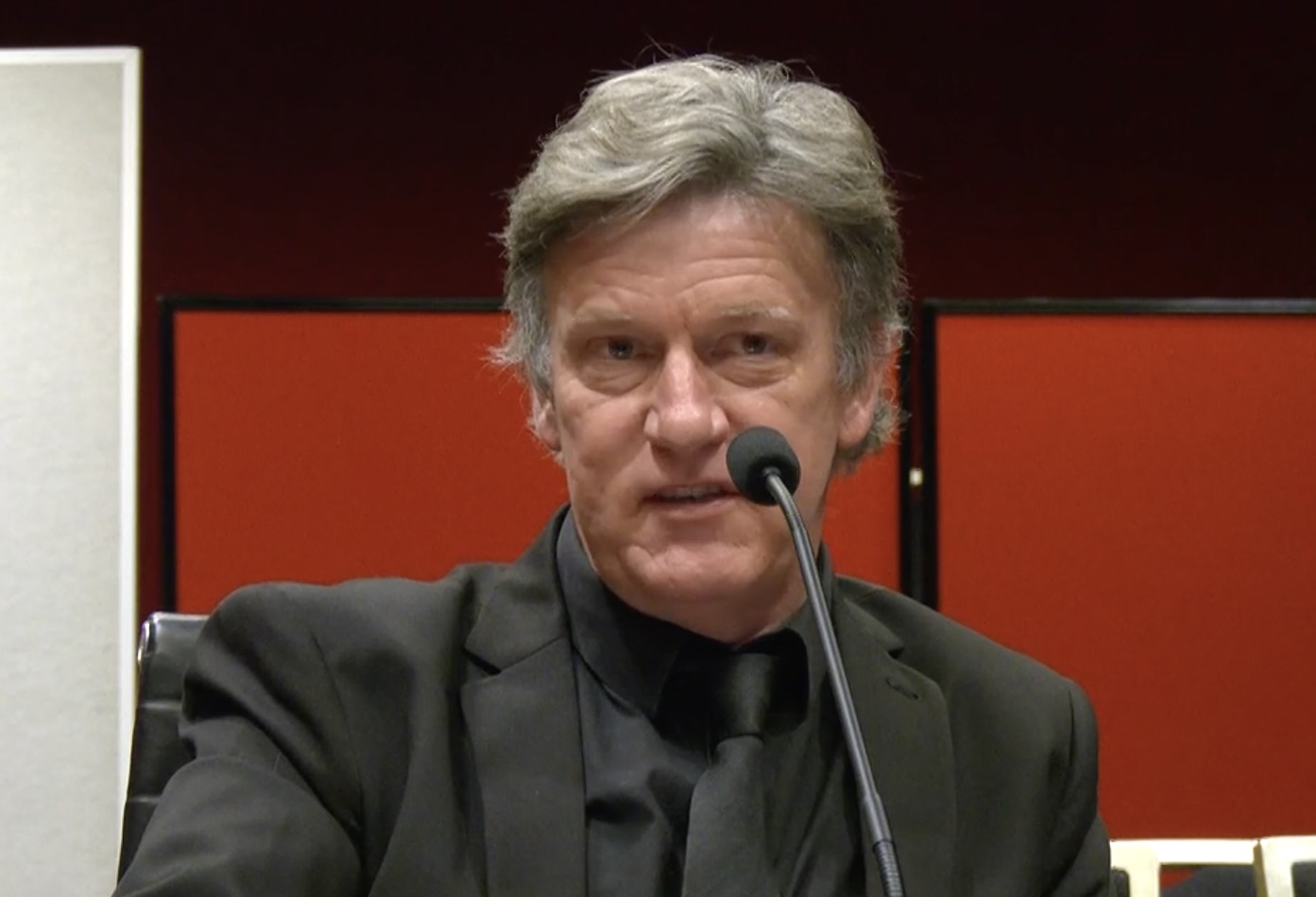
David Roy, Senior Lecturer and researcher in Education and Creative Arts at the University of Newcastle, has contributed to state and national parliamentary inquiries and Royal Commissions. He said the first thing families need to understand is that scaling is not a measure of how difficult or academically valuable a subject is.
“It reflects the academic performance of the students undertaking that subject across their other courses,” Dr Roy told The Educator. “There is no subject that automatically guarantees a better ATAR, and equally, studying Drama or Music does not automatically disadvantage a student.”
Dr Roy said careers advisers should be encouraging students to select subjects in which they have genuine interest, aptitude and motivation, rather than trying to “game” the scaling system.
“Students who are engaged and motivated are more likely to achieve their potential. The research tells us that the Creative Arts are subjects that actively do that.”
Dr Roy said the European DICE study, involving more than 4,000 students across 12 countries, provides further evidence of this.
“The study identified positive impacts of sustained drama participation on communication, learning, social and civic competencies, entrepreneurship and cultural expression,” he said. “We need to stop discouraging students from pursuing subjects they enjoy based on misconceptions about university entrance.”
Rethinking what makes a subject ‘viable’
For many Principals, a Year 12 Drama class of just six students is hard to justify on paper, especially when staffing is stretched. However, Dr Roy said the conversation should start with a more fundamental question.
“I would start by asking whether we are measuring the value of a subject purely by the number of students enrolled,” he said. “Six students can still have an exceptionally rich learning experience.”
Dr Roy said Principals could explore shared delivery arrangements with neighbouring schools, collaborative productions, flexible timetabling and partnerships with local arts organisations.
“There may also be opportunities to share specialist teaching expertise across schools rather than requiring every school to independently sustain every subject,” he said. “Importantly, smaller classes can provide opportunities for more individualised teaching, practical experimentation and performance.”
Closing a subject because numbers have fallen can create a cycle where the next cohort has even fewer opportunities to study it, Dr Roy said.
“We also need to allow all students to experience all the Creative arts in earlier years so they can make informed choices. Additionally, whole school extra-curricular activities such as school musicals can support choice engagement, so long as the production is not outsourced but becomes a whole school subject involvement,” he said.
“Business studies marketing it, Design and Technology building the sets and costumes. All subject areas become involved and can engage Hundreds of students, not just performers.”
Creativity is what employers want
When asked how school leaders can make the case for creative subjects as a smart pathway, Dr Roy said the starting point is dismantling some long-held assumptions about what counts as a “serious” subject.
“We need to challenge the idea that STEM and creative arts are competing priorities, or that practical subjects are somehow less academically rigorous,” he said. “Employers are not simply looking for technical qualifications; they want people who can communicate, collaborate, think creatively, solve problems and adapt.”
Dr Roy said creative arts develop these capabilities while also demanding substantial disciplinary knowledge, critical analysis and intellectual judgement.
“Some of our greatest scientific thinkers have recognised the importance of creativity and artistic engagement,” he said.
“There is another important consideration for schools: drama and the arts provide opportunities to address mental health, emotional literacy, empathy and toxic masculinity through the curriculum itself, rather than adding more wellbeing programs to an already crowded school day.”
These are not soft options, Dr Roy noted.
“They are intellectually demanding subjects that contribute to educating capable, adaptable and well-rounded young people.”